Hearsee Mobility — Blind and Low Vision Navigation Technology
Independent navigation is an ability so second-nature that most don’t recognize it as a privilege. The general population doesn’t think twice throughout the day about leaving their home without assistance, finding their way to the grocery store, or taking a walk alone in a public park. A nonprofit founded in 2019, called Hearsee Mobility, has observed that nearly a third of the blind population would prefer to stay home rather than face the frustration of maneuvering through an inaccessible environment. The organization’s mission is centered on alleviating what its founders perceived as an epidemic of isolation within the blind community.
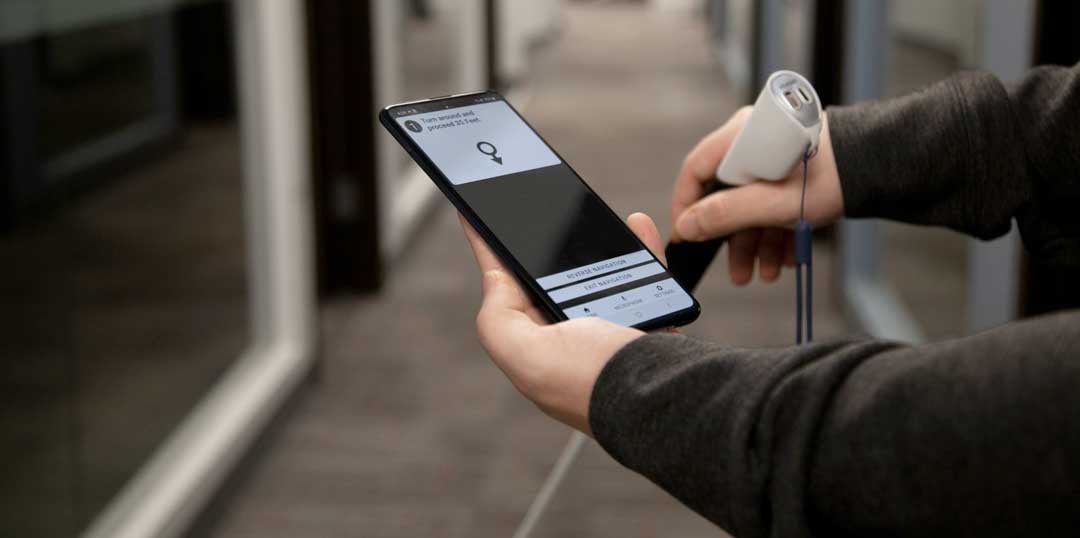
Global positioning systems have been around for years, but companies like Hearsee have taken the concept to a more versatile level by incorporating helpful audio descriptions and cues into their technology. Audio descriptor apps like Hearsee’s allow people with blindness and low vision to independently traverse public spaces with safety and precision. While the innovative tech is a huge step toward equity, financial barriers to entry are a concern.
Hearsee has prioritized the inclusion of the traditional walking cane into its navigation system to preserve the comfort-ability of familiar tools and make its system as tailored to people with blindness as possible. Each indoor or outdoor location registered with the organization is also thoroughly tested by a local person with blindness or low vision who would potentially be navigating the space themself.