






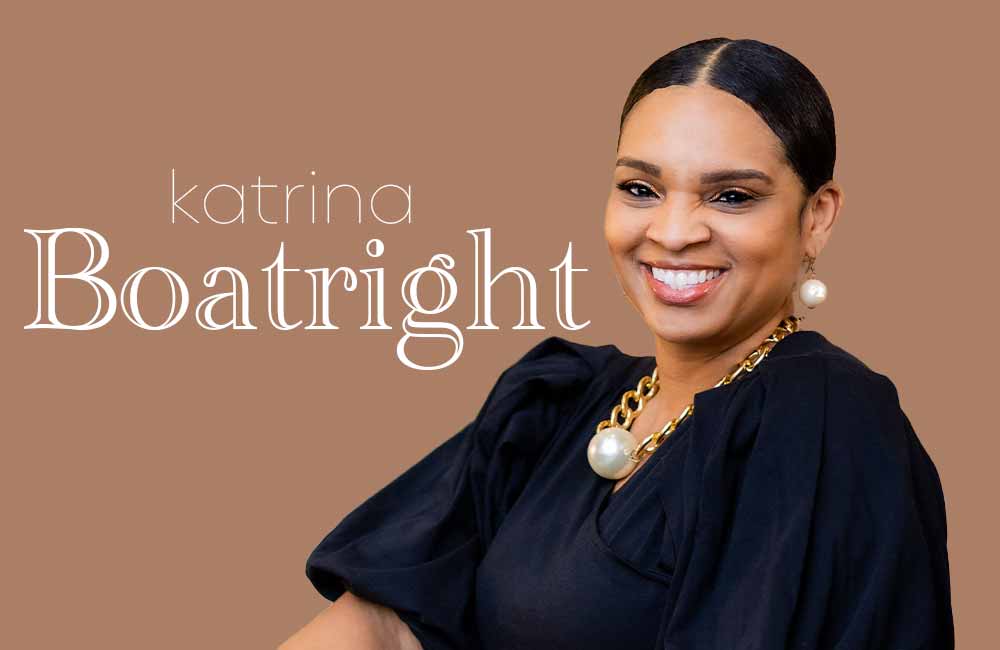
About an hour outside of Chicago sits Illinois’s second largest city, Aurora. With a name synonymous with the vibrant and colorful northern lights, Aurora’s diverse city life is rich with tradition. Building off of the history of being the first city in the U.S. to use electric lights for the public, Aurora continues to illuminate cultural diversity and inclusion. Katrina Boatright, spearhead of Aurora’s Senior and Disability Services Division, is passionate about bringing light in to her work, “We’re known as the City of Light, which is something I really like to advocate for. I use it as the foundation of a lot of the work that I do, because I think we have great opportunity to bring light to so many things, opportunities, people, populations and work. I take that very seriously when I bring light to things.” Katrina started the Senior and Disability Services Division when she came on to work for the city of Aurora. “I’m the manager of Senior and Disability Services Divisions. I’ve been able to build it from scratch. I’ve been able to give it meaning. I’ve been able to place the value around it and not just become an advocate for these spaces and for families and persons living with disabilities, but to really magnify their presence, their capacity, their contribution, and bring that to life for so many where there’s that reciprocated benefit.”
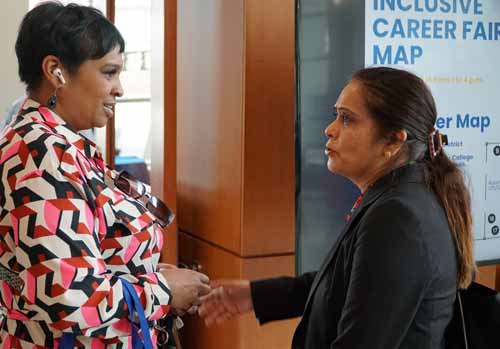
The Senior and Disability Services Division was created out of a recognized necessity to increase disability and senior support within the community. Building a new program from the ground up takes extensive work and community outreach. “I went out and did listening sessions all over the city, and I invited families, caretakers, and persons with disabilities to come and share with me. I’m like, “Help me see and understand from your lens. I don’t want to advocate for what I think should be. I want you to tell me what should be.” Katrina said about the community outreach she undertook while building the program. “I availed myself to every possible conversation, those that wanted to share. I asked the question, “How do you feel living in our city with the abilities that you have and the support that you need for the city? What can I do? What can the city do? What do you want the mayor to know? What do you need put in place to continue to age well in our city and feel like you’re independent and you’re doing your best to be a strong contributor?” They gave me their ideas. They told me what they needed, and I took them back. Then I developed my three-year strategic plan based on all the information that I received.” Part of that three-year plan was the creation of the Advisory Commission on Disabilities. Within the duties of the advisory commission, there is an effort to zero in on the individuals that are likely to fall through the cracks of established programs by increasing program awareness and outreach, making events more accessible and increasing available resources and access to information.
Products & Services


The aptly named Bright Light program, one of the initiatives that spawned from the Advisory Commission on Disability, allows members of the community to nominate someone they feel has made a positive impact on the city, whether it is giving back to the community or someone within the disability community overcoming adversity to achieve a goal. “We get to bring them before our council and recognize them and give them value that they are a contributing citizen, no matter what barriers they may have overcome or may be overcoming, and they love it. I highlighted a couple last month, and the young guy–the mother didn’t tell him he was being highlighted. A friend ended up telling him and he saw the articles posted, and he was like, “How can a mayor in a city so big know me? I’ve never felt more proud to be in my city.” And it becomes a bright light for those being honored. It helps other people see others as bright lights.”
The vibrant art and theater presence in downtown Aurora and the numerous multicultural flag raisings and celebration ceremonies that take place within a year create a social atmosphere that requires accommodations for people with disabilities. The way Katrina strives to achieve inclusion in these various events is by hitting the streets and finding members of the community that may have experienced accessibility issues in the past while asking the questions like “What do you need?” “How can we make this more accessible?” This grassroots approach allows the members of the disability community to be heard and involved in accommodation improvements to events; an effective strategy utilized in various cities across the country. On the Senior and Disability Services website, Katrina uses the term ‘inclusive city’ to highlight this initiative. “I’m a believer in ‘we shape atmospheres, we shape cultures.’ How are we intentionally being inclusive? Every time we do something, are we looking at, “Is this presented for everyone to be included?” We’ll say yes, but is it set up to support our yes? That’s my goal. Inclusive means everything we do. We’re being intentionally mindful–intentionally supportive. I think accommodations are needed and they’re great, but that’s reactive. Accessibility is proactive, and I want us to move to being proactive. I want us to make sure everyone can be included”
Products & Services

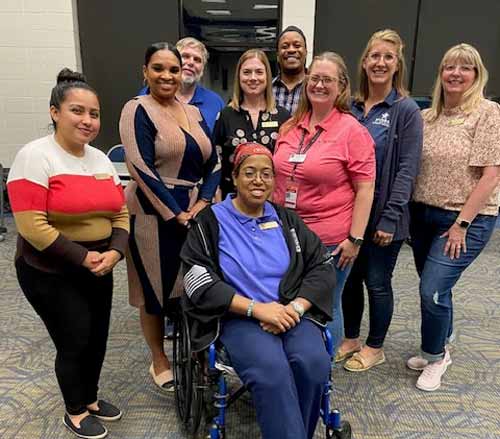
Among the various events held within the Senior and Disability Services Division, there is the Disability Family Resource Fair which is an event held once a year where various resource organizations from around the city come together and build community connections with citizens that may not have known about their available support options. “It builds a connection. It builds a relationship. It builds a network. It gives them access. It allows the organizations to be able to follow up with them to make sure needs are being met.” Katrina remarks. “Nothing feels more vital to me than making sure this city operates as an “us” and a “we.” The more we build relationships, we have our networking amongst our partners, the better they work together, right? The more resources we have, the more we can serve effectively.” An integral part of community awareness is information and education. To bolster this, Aurora has educational training sessions that cover various topics such as mitigating social security and disability, navigating IEPs and potential stigmas related to that. Part of this educational outreach includes having an open conversation with the special needs education departments within the school systems to get a better understanding of learning atmospheres and opportunities for support.
If your own city does not have a disability-focused program started, and you want to see that change, Katrina has this advice: “It’s an opportunity for those that are around you. It’s always starting in your neighborhood, starting in your school, starting your program and then send that information to your city. Send it to your mayor, send it to anybody that’s in community service in your city and increase that value. Anytime you’re doing or involved in something, wherever you are, send that to them, let them see and put it in their face like, “Hey, we’re here, and we want to be here, and we want you to help us be here.” I think that advocating space is so vital. I tell them all the time, “I will echo your voice, but you got to give me your voice. I’ll illuminate it, but you got to give it to me.” I think that’s what it is. You have to create a space to echo their voice, to magnify, to make big what they are, who they are, and what they can offer. I think the most important thing is you’re creating a space. Once you start doing that, people will start getting it, they’ll start rallying around you, and you’ll find that advocating circle growing.”
by Jenny Woodall