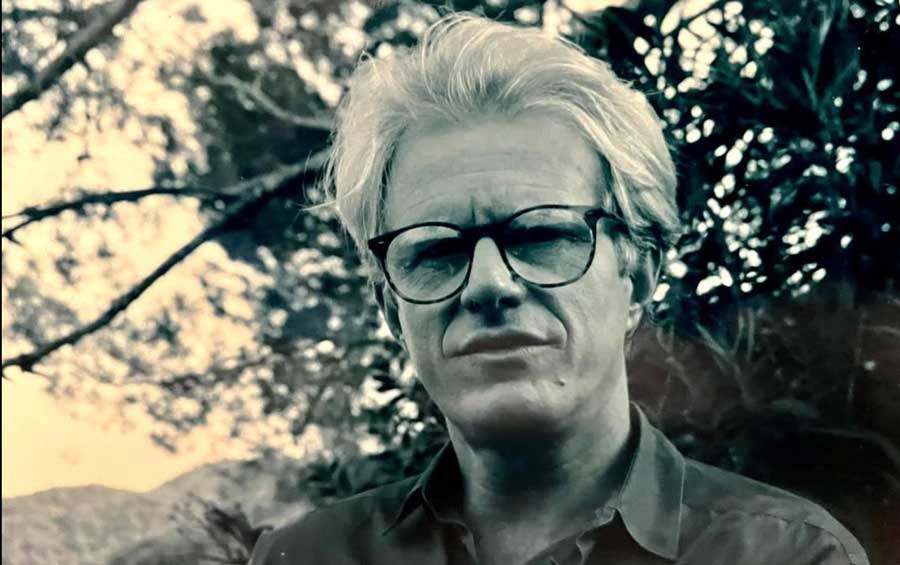















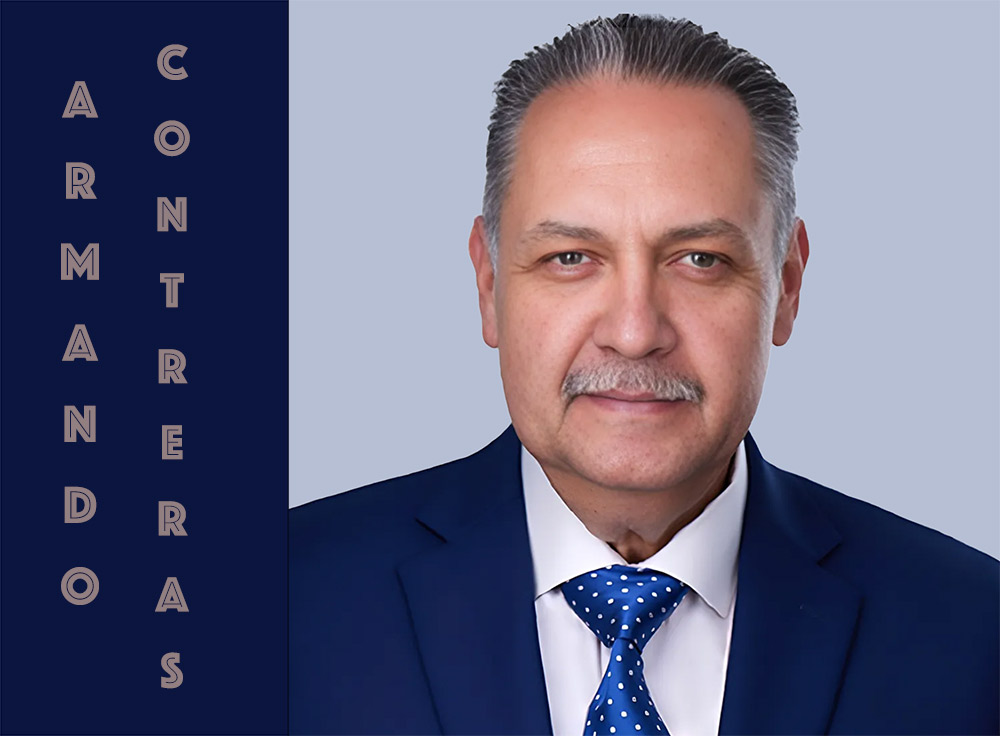
For over 24 years, Armando Contreras has been at the forefront of nonprofit leadership, advocating for individuals with disabilities and their families. As the president and CEO of United Cerebral Palsy’s national office, he oversees a network of 55 affiliates across the United States and Canada, ensuring that vital services like therapies, employment programs, and early intervention reach those who need them most.
ABILITY Magazine’s Jennifer Woodall met with Contreras in a virtual interview where he delves into UCP’s diverse programs, the transformative impact of the Case for Inclusion report, and the groundbreaking work of the UCP Research Council. He also shares his vision for advancing early detection and intervention while addressing the challenges faced by individuals with disabilities as they age.
Products & Services

Jennifer Woodall: Can you go into what UCP (United Cerebral Palsy) does?
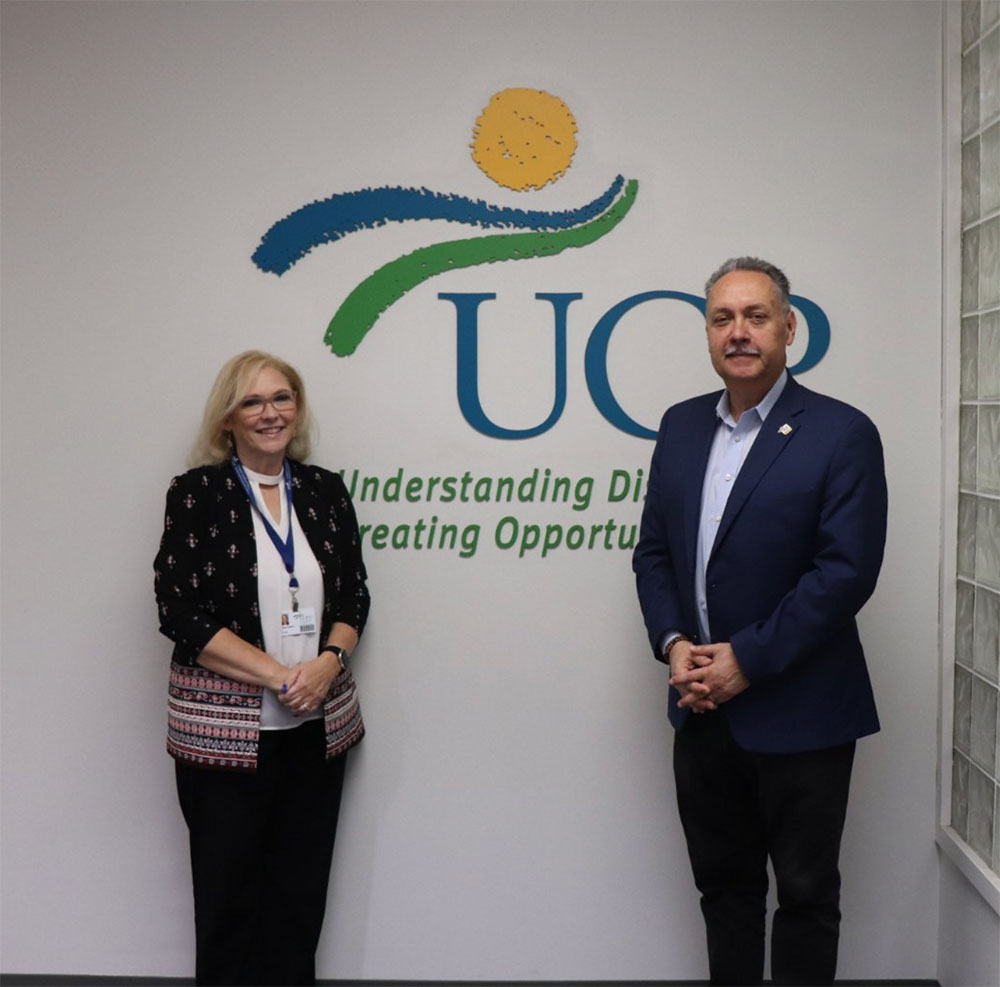
Contreras: Sure, we are comprised of 55 affiliates in the United States and we have two of them in Canada. We are currently having conversations with one prospect in Monterrey, Mexico that provides excellent services for children with cerebral palsy. But overall, Jennifer, the services that are provided by our affiliates in the United States, they vary. We are not a cookie cutter organization. So when you walk into a UCP in Mobile, Alabama or in North Bay, California, the services are very likely to be somewhat different, maybe similar. They have their own autonomy. We are not a franchise and we are not a corporation, so the affiliates that are providing vital services can include therapies like physical therapy, occupational speech therapy and other therapies for children that vary in ages. It could be from newborns all the way through adulthood. We also have transportation programs, we have schools, we have pre K, we have employment. We also have home and community based services, which is huge. There are integrated homes and homes that are for specifically for people with disabilities. The same as the schools. There are various programs that our affiliates offer throughout the United States. We do have some affiliates that just concentrate on children only. Some offer services to children, teens and adults. So, truly, it varies. And a good way to pinpoint and find out what services they provide is going to our website: ucp.org and go to the affiliates. Then you can learn a lot from what they’re doing within their respective territories in the U.S.
Products & Services


Woodall: Structurally, it sounds like you have these affiliate locations based on community need, where the need is greater in that community dictates how that particular affiliate location is going to operate.
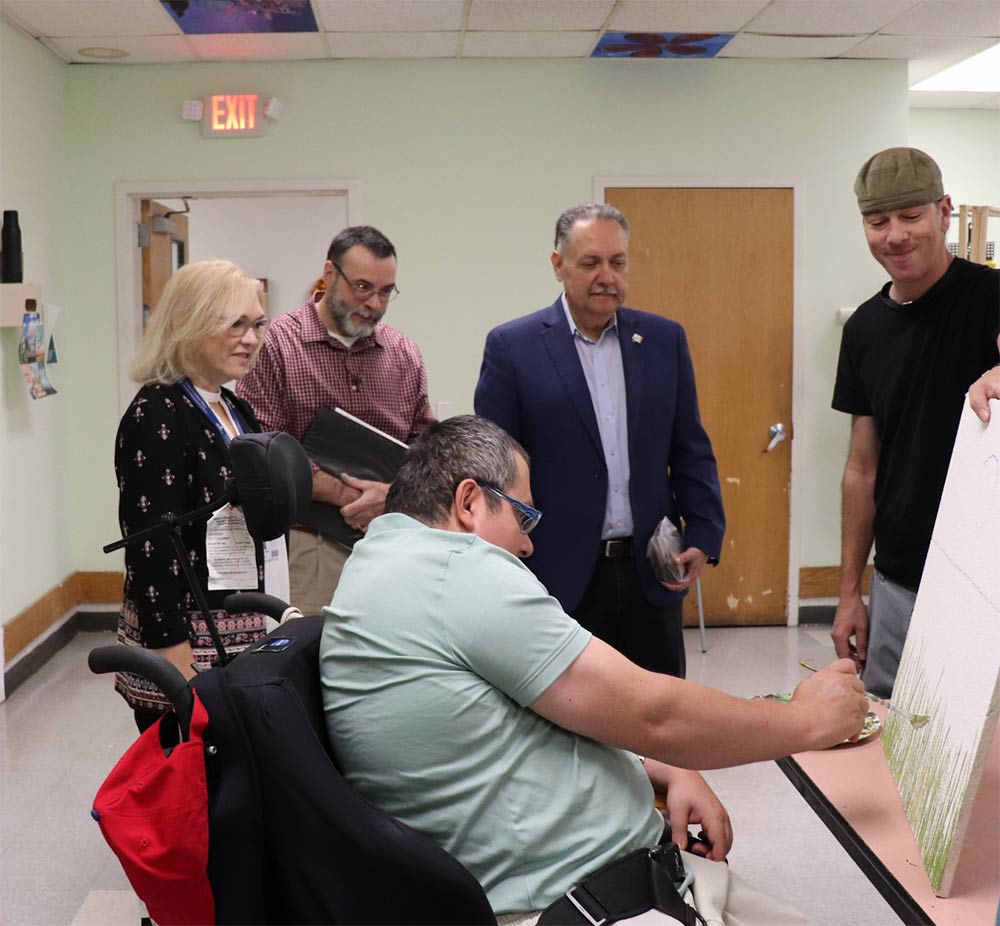
Contreras: I would agree. Our affiliates want to provide services that are relevant and that are needed. One example is UCP of San Luis Obispo, where there’s a major need of transportation. And that’s where they really concentrate. While they may have other programs, the majority of the work that they do is transporting people with disabilities from their home to, maybe, their doctor’s appointment or other places of need. So, that’s huge, and that continues to grow.
Products & Services


Woodall: When I was on the UCP website, I saw the Case for Inclusion Report. Can you go into a little bit more about what that is?
Contreras: Sure. That’s one of our advocacy components that we have at the national office. There are certain things that would be more difficult for an affiliate to do it. So, the Case for Inclusion, the first publication, came out around 2006, and the initial intent was giving the pulse of what’s happening related to services that are being provided across the country, especially like Medicaid services. What are the challenges on people accessing services? What’s the wait list?
What we did for many years was that we actually graded certain states, so you can imagine that if—and I think it was Arizona like came in the number of top three, maybe it was the number one. Well, that was fantastic. But if we had a state that we graded at 49 or 50, you know, that became difficult for that particular state. It was like, “what were the dynamics? What was the methodology? What do we do in order for us to determine the services of each state and how we were grading?” So, we’ve changed that a little bit.
What we’ve done in the past few years, is we still speak about the plight of the disability community, especially like those that are on waiting listd. We speak about the plight of people of color that have a disability and we also focus on the backbone of the disability community, which is the direct service professionals. The report is really for maybe three or four stakeholders, and I think one is the disability community. The other is our affiliates, but, specifically, it is for our public officials so they get to know and they have that resource that tells them what’s happening within their state and how their state is really doing.
While we don’t grade those anymore and we don’t rank them anymore, there’s still some specific information there that it is important to continue to advocate for the disability community. The report can be accessed at caseforinclusion.org and you can see the reports that have been published for the past few years. In addition to that report, we’re going to be having maybe two or three briefs along the way. Those briefs can cover recent updates related to policy, a recent update related to Medicaid, to funding, a recent update related to the disability, the direct support professionals. Whatever those updates are, at least we can be a bit more current than waiting for a full year. We’re hoping that it would be helpful to the disability community, to the people in public service, especially the senators and representatives on the Hill.
Products & Services


Woodall: Information hubs like that can be so beneficial for the disability community because it can be hard sometimes to find valuable information. I noticed there were grant opportunities, can you go over that into more detail as to who can apply and what are the goals that you want to see achieved with that?
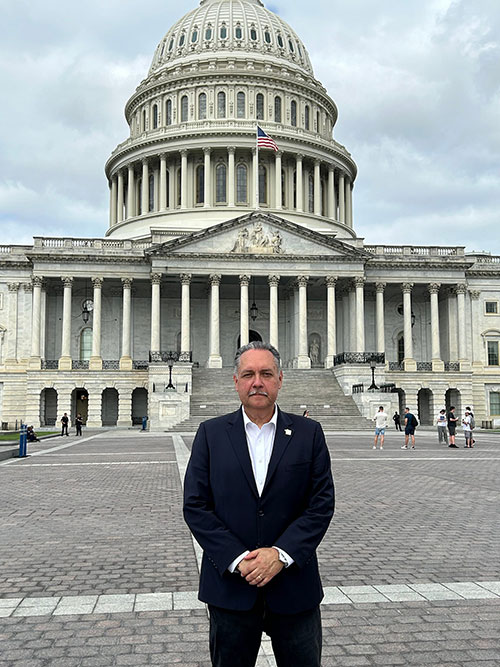
Contreras: So, those grant opportunities are coming from the UCP Research Council. About four years ago, I had approached the board to let them know that I was going to reestablish the UCP Research Committee or now called the Research Council. There was a lot of discussion about putting that together. One of the concerns that the board had was that a lot of research out there, research that is done many times, is sometimes shelved or it takes many years before we see anything. So that was a big concern, and I get that. When we put together this committee—It took about a year.—Dr. Michael Kruer, who is an authority and world renowned researcher, scientist and doctor related to cerebral palsy, I was honored that he would want to co-chair this committee, so that was awesome. That happened during coffee in downtown Phoenix. Valerie Pieraccini, who used to work for me when I was a CEO at UCP of Central Arizona, who’s done a phenomenal job in the arena of therapy, she is co-chairing this committee.
So fast forward, we now have a blue ribbon committee of notable researchers in the United States that focus on cerebral palsy. The majority of the grants go to our affiliates, but there are some that can go to public organizations that are not a member of UCP that want to begin research and some studies.
I’ll go into a transition to some of the other things that we benefited from this committee. One is the grants related to research for cerebral palsy or maybe other conditions. So, folks can apply that grant. Second, what’s come out of this committee is really the focus on early intervention and how important early intervention is throughout the United States and how important it is for pediatricians in the US and in other parts of the country to be trained to actually identify some of the things that could be red flags.
I’m not a researcher. I don’t have a clinical background, so when you hear me speak, it’s more simplified. But if there are any kind of movements or red flags that should be explored further from an infant or from a child that’s one or two years old, the UCP Research Council is really moving forward with providing more information. They’ve put together a free webinar for anybody in the public to go to called the Professional Learning Series. Readers can go to ucp.org and look for the Professional Learning Series. We get a lot of therapists from around the nation. We get doctors, and we have some experts that present on various therapies and what’s happening today as far as early intervention is concerned. The other thing that I’m really excited about—Well, I’m excited about everything we do at UCP, but this one in particular because I think we’re in the forefront—is early detection.
Early detection, as you probably know, is probably one of the more exciting breakthroughs that’s happening today. Typically for cerebral palsy, the time that it’s taken in the past to diagnose could be in year two. What we’re pushing for as an organization, as a committee, the UCP Research Council and other organizations that focus on disabilities is that we’re trying to bring that down from two years to maybe months. You know, is it possible? I think there are some therapies and some kind of breakthroughs that you can use to identify cerebral palsy within months from the birth. So, that’s probably two of the things that we are really focused on, which is early intervention and early detection.
I do bring a challenge to you and to, really, the nation because people with disabilities will knock on our door and say, “Hey, Armando, there’s one challenge that we have, and that’s the kind of the cliff of what happens when people with disabilities begin to lose some of their benefits around age 21, age 22.” Then there are fewer programs for folks that are funded through federal and state grants, and that’s where the disability community begins to feel left alone. We are having those conversations, and we hope that in the future we can partner with somebody out there who’s providing some best practices for the older community, the disability community, so they just don’t feel left out. What I do know is that there are individuals with disabilities that sometimes have to go out of state to get their services, and that’s unfortunate, so we are also advocates on the forefront of trying to figure that out.
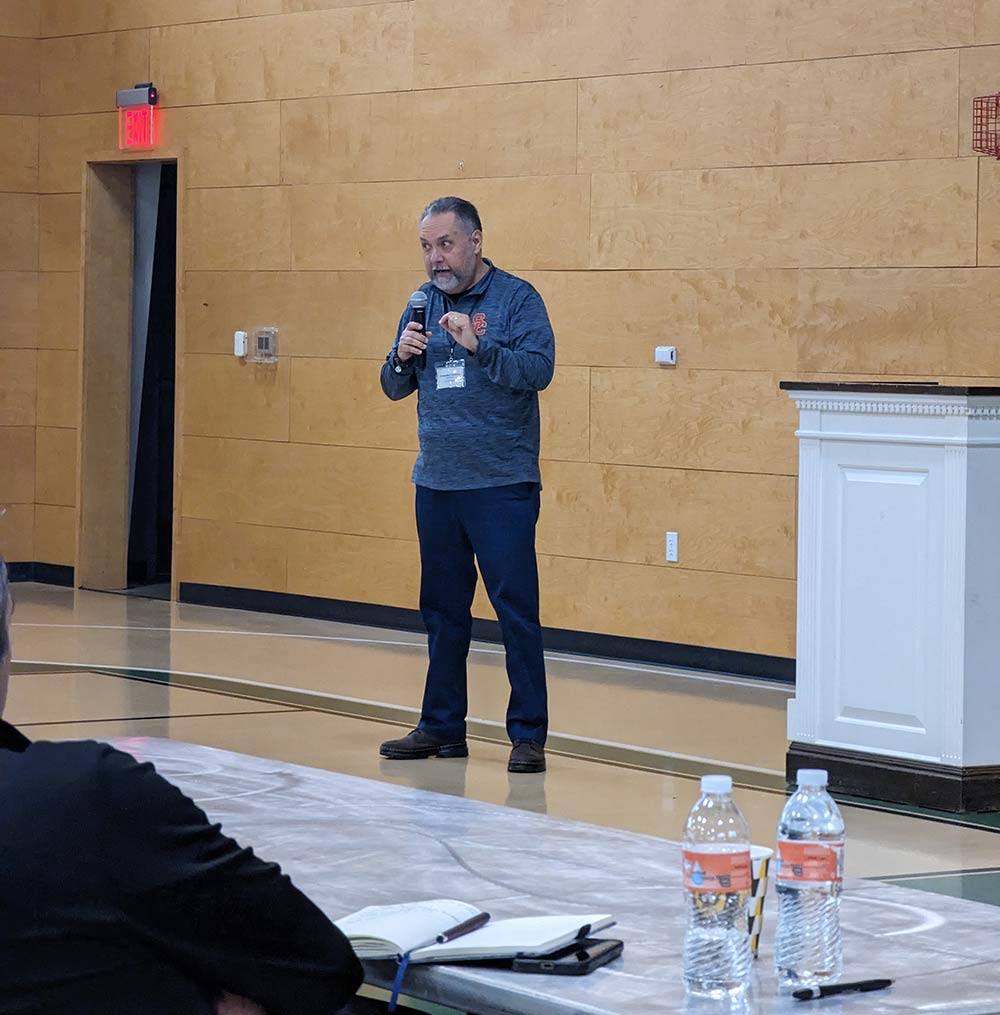
Woodall: You mentioned early detection, and I was reading about the UCP’s Early Detection and Intervention Collaborative. Can you talk more about what the collaborative does?
Contreras: The collaborative is part of training sessions that are offered to therapists around the nation. And that’s something the council has been very sensitive to. With these collaboratives that we’re doing, we offer scholarships above and beyond the grants that you brought up. We offer scholarships to our affiliates, to have therapists go to conferences where perhaps maybe their affiliate couldn’t afford to offer that to their team members. So that collaborative is focused on the latest and greatest as far as early intervention is concerned. It provides an opportunity not only for that therapist to go to these conferences, but I do believe that they can actually earn continuing education credit, so forth and so on. So really what it is, is that it’s providing best practices. It’s providing the updates because there’s always updates related to therapies and early intervention. We do know that in some states they excel. In Alabama, they have their early intervention conference every year. I’ve been there, and these are conferences that are vital, that bring new research, that bring new studies, proven clinical studies that may be better than the current therapies that are happening right now. So, it’s really important for us to have that knowledge transfer to the people that are on the ground, and that’s part of this Early Intervention Collaborative that we’re doing.
Products & Services
Woodall: Is there anything that you would like to mention that we haven’t covered yet today?
Contreras: UCP covers an array of services through our affiliates, and I’m very grateful and appreciative of the work that they’re doing day in and day out. They’re the ones that are providing the hope, the care for children all the way through adulthood to make their lives a lot better so they can be more independent, so they can be part of the fabric of society.
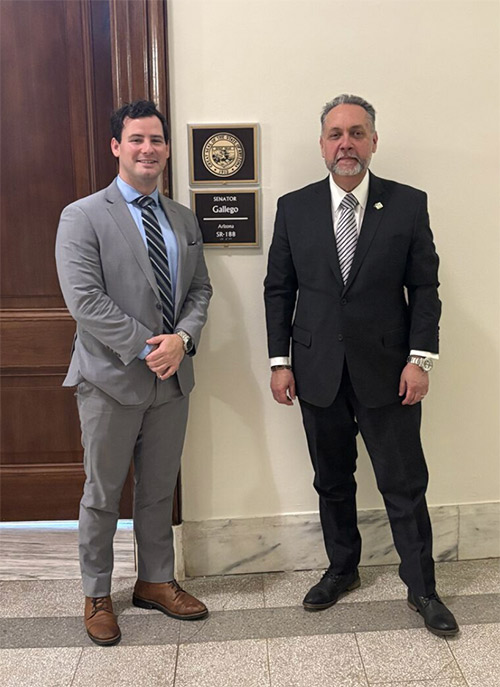
I’ve always had this principle, while I get interviewed, that the stories that come directly from people with disabilities are the more important ones. You know, I do not speak for the disability community. I want to provide a voice for them. Going into this new administration, we don’t know yet exactly how that’s going to affect the disability community, if it’s going to be in a positive way or negative way. I’m more into let’s get information. Let’s begin to build some relationships with those leaders that are going to be overseeing HHS, Medicaid and begin to inform them and become a resource for the administration. So, while I don’t know yet exactly how it’s going to impact, I can tell you and I can promise that UCP will be in the forefront of those discussions for the betterment of the disability community.