






There is power behind the media we consume. What we watch and what we read shape our opinions as we move through the world.
So, what happens when we aren’t represented?
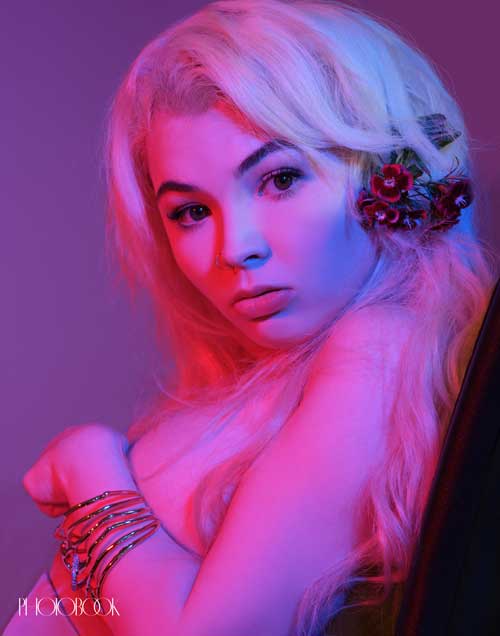
Feeling unseen is already a perpetual part of having a disability. The constant self-advocacy can be tedious work; a grating, repetitive motion of explaining yourself and your needs. However, within the barrage of media we are exposed to on a daily basis, lies an opportunity to educate people in the moments when they are most open to listening.
Still, the modeling, film and television industries are, frequently, behind the times when it comes to including people with disabilities in the stories they tell. As a result, there is less awareness and less respect for disability in the world, day-to-day.
Jessica Frew aims to change that.
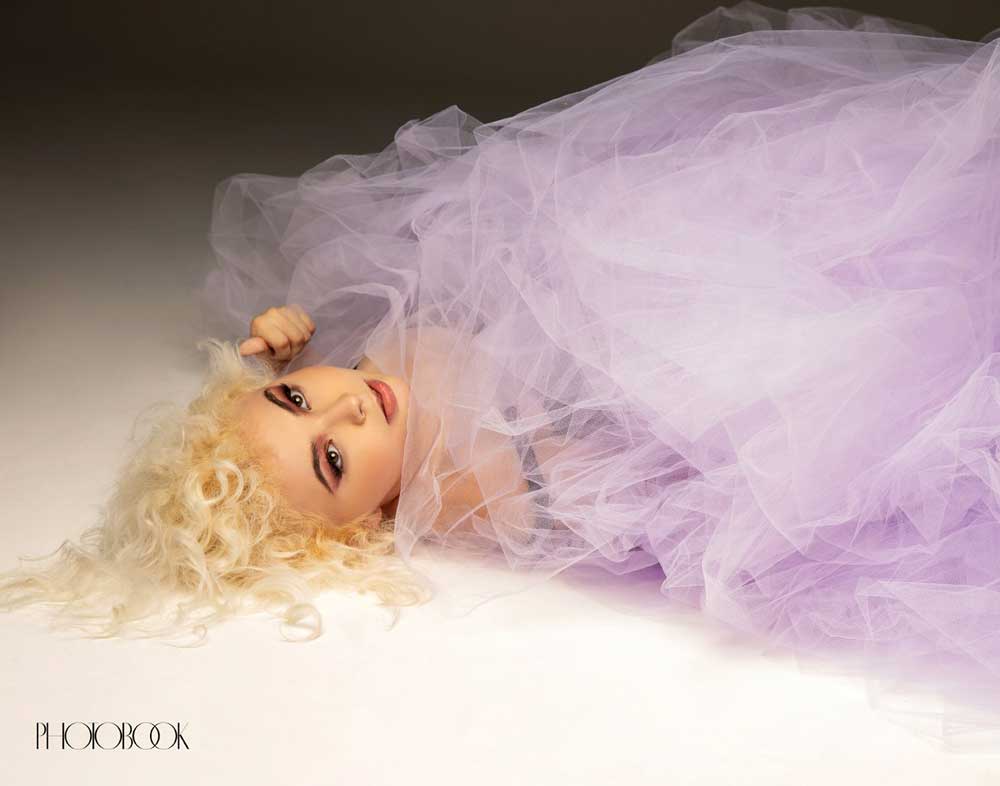
Frew is an actress, a model, a children’s book author and is currently in school at William Patterson University where she is studying criminal justice. Her acting credits include the role of Harmony in the movie Crispy as well as Matilda Heptinstall in the TV show Surviving the Cartel. Frew, also, has cerebral palsy and communicates using a Tobii eye gaze computer.
Frew’s children’s book, The Nonverbal Princess, was inspired by her personal experience: “People have treated me differently since I was young and thought I wouldn’t know anything because I was nonverbal.”
The book chronicles the life of a princess with cerebral palsy in the imaginary land of Elesia. A parallel to her own life, the story’s princess encounters barriers to gaining the life and confidence she deserves and must learn to overcome them.
When discussing what she hoped for her young readers as she wrote the book, Frew stated, “I wanted to teach children worldwide that people with disabilities are humans with emotions, too and they can do anything, like everyone else can, but need to work ten times harder for it.” Frew expressed, “My favorite part of the work I’ve done is being a role model.”
The fact is, we need more role models like her.
Products & Services

An overarching theme through Frew’s work is her desire to better the world for people with disabilities. Stepping into each role, she aims to become the representation that is too often missing in media: “I always loved TV shows, movies, runways. And I want to be in TV shows, movies and on runways like the people I saw on TV when I was growing up.”
The notoriously limited representation has led to persistent disrespect and discrimination for people with disabilities, though. For Frew, feeling unseen and dismissed is not new. Frew mentioned, “People think I’m just looking into space when they see me for the first time. They talk to me like a two-year-old or they talk about me to someone else in front of my face, like I’m not there. It impacted my mentality for 17 years. I didn’t even have the confidence to communicate in society or stand up for myself.”
If you’ve ever felt devalued, you may understand its impact. “People used to say mean things in front of me without realizing I could understand everything they were saying. It made me feel worthless.”
However, Frew, with supportive family, friends and faith rediscovered her confidence: “You can’t control negative things from happening, but you have control over how it affects your mentality.”
With her love of entertainment, performance and the arts, she discovered she could be the change and the representation we need more of, “I thought I wasn’t good enough to work in the industry because of my disability until I found the confidence.”
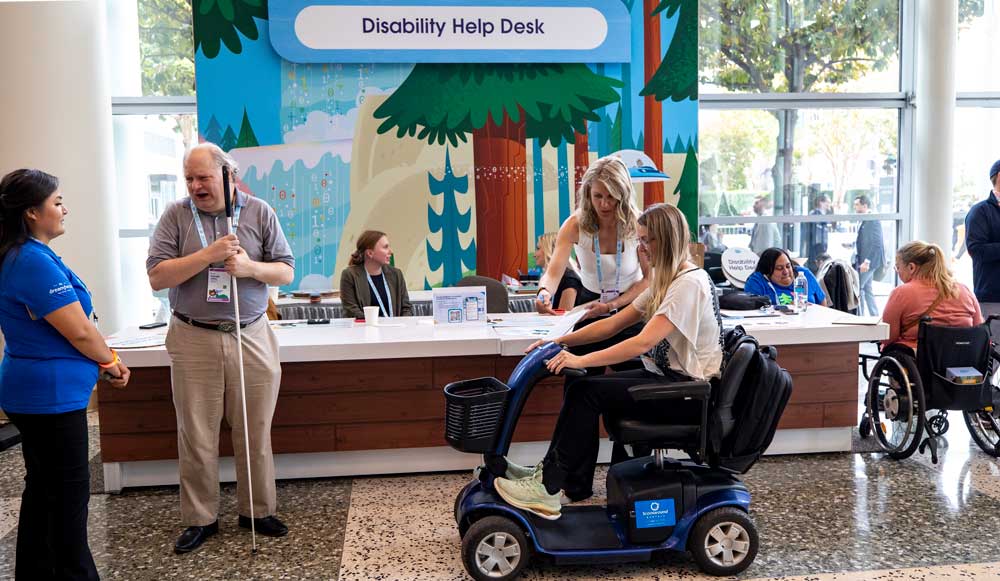
Now, Frew has been able to pursue what she loves. Unfortunately, film and modeling sets aren’t always as accessible as they should be. “The barriers I face in the industries are not wheelchair-accessible sets.”
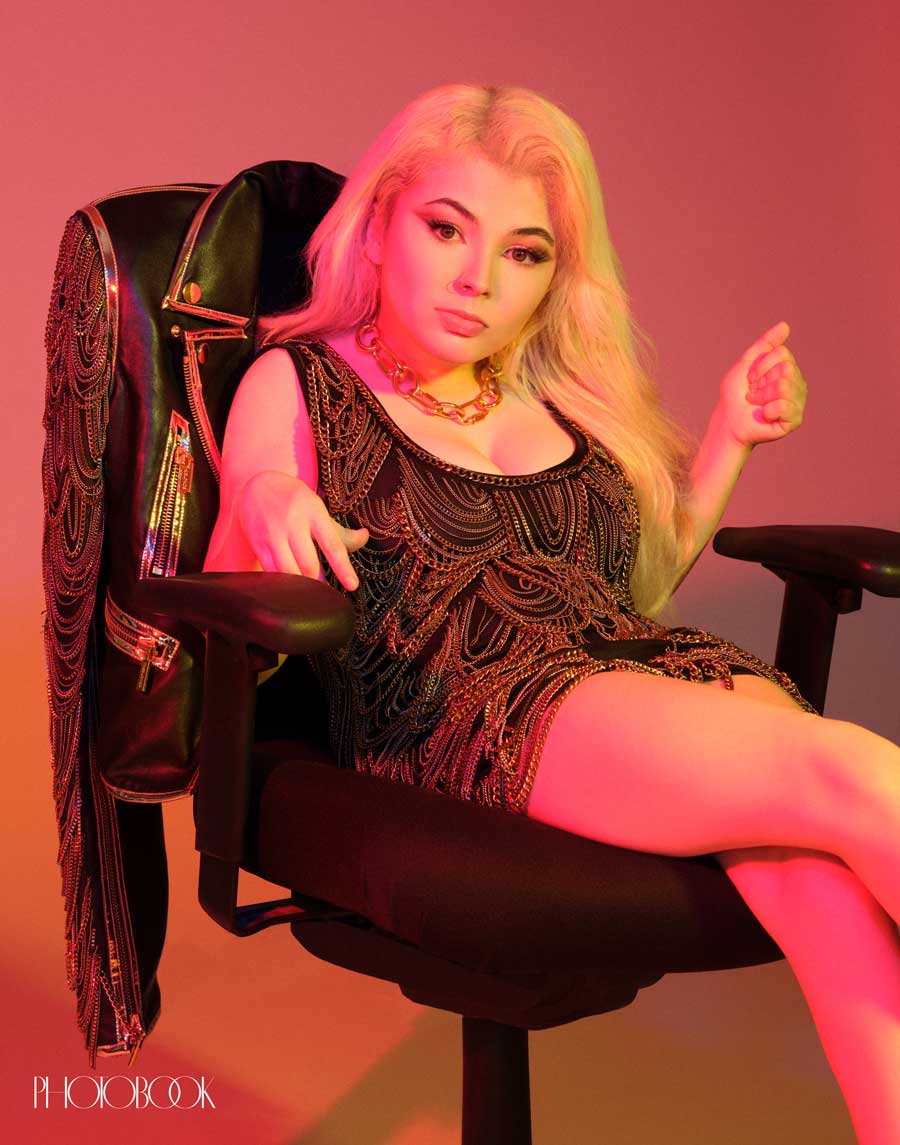
This is not the first time we’ve heard about accessibility issues in the entertainment industry.
In ABILITY Magazine, Jennifer Woodall’s interview with producer Peter Saraf, the need for accessible sets was discussed as an imperative part of filmmaking. When describing the set of Out of My Mind, Saraf stated: “[…] we put together what we called our All Access team, which is where we brought together a group of accessibility coordinators to make sure that everybody’s needs were being met on the set of the production […]”
However, not every production has accessibility coordinators in place which, ultimately, not only limits the cast and crew who may need the support, but it also contributes to the inaccessibility issue in the entertainment industry as a whole.
Jessica Frew has encountered that inaccessibility in film, TV and modeling can show up even in the audition process. Frew mentioned another barrier she’s encountered is, “[…] auditioning for non-disabled roles. It’s okay for non-disabled people to play disabled characters, but not vice versa.”
All is not lost, though. Simply including people with disabilities on more sets can change this cycle. Disability advocacy and inclusivity, one set at a time, will create a better standard in the industry.
By Olivia Austin