








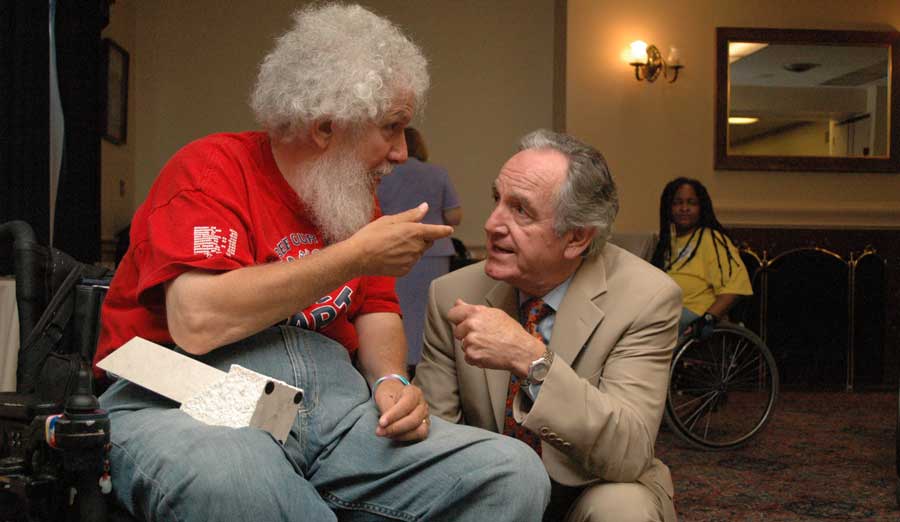
Bob Kafka spent more than forty years transforming disability rights in the United States. Known as a strategist and policy wonk, Kafka was just as comfortable in a suit at the negotiating table as he was wearing a “rabble rousing” T-shirt at a disability rights protest. His work blended insider expertise with unwavering grassroots pressure, creating a model of advocacy that continues to shape the movement today.
A Partnership That Fueled a Movement
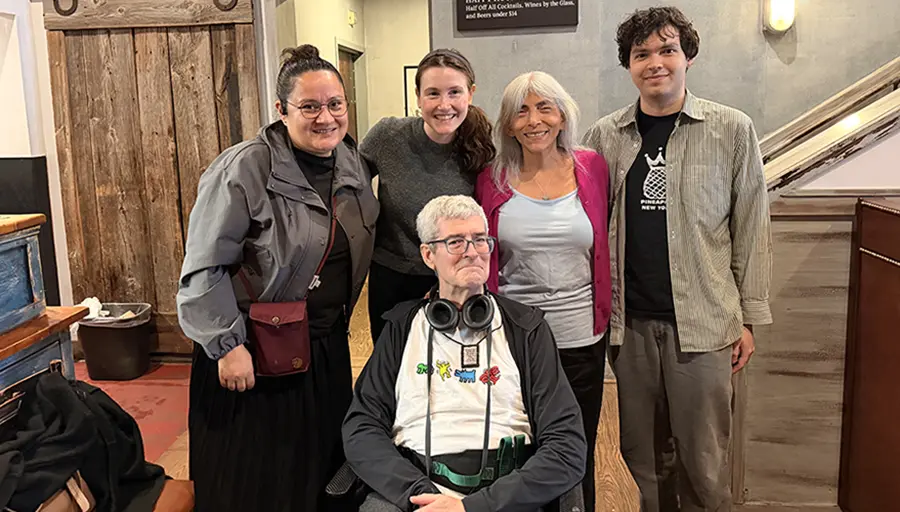
Kafka’s longtime partner, Stephanie Thomas, was integral to his work. Together, they built ADAPT Texas into a force for change, organizing protests, shaping policy campaigns, and mentoring new advocates. Their partnership demonstrated how personal commitment and political strategy can reinforce one another, strengthening a movement from the inside out.
Pushing Toward the ADA
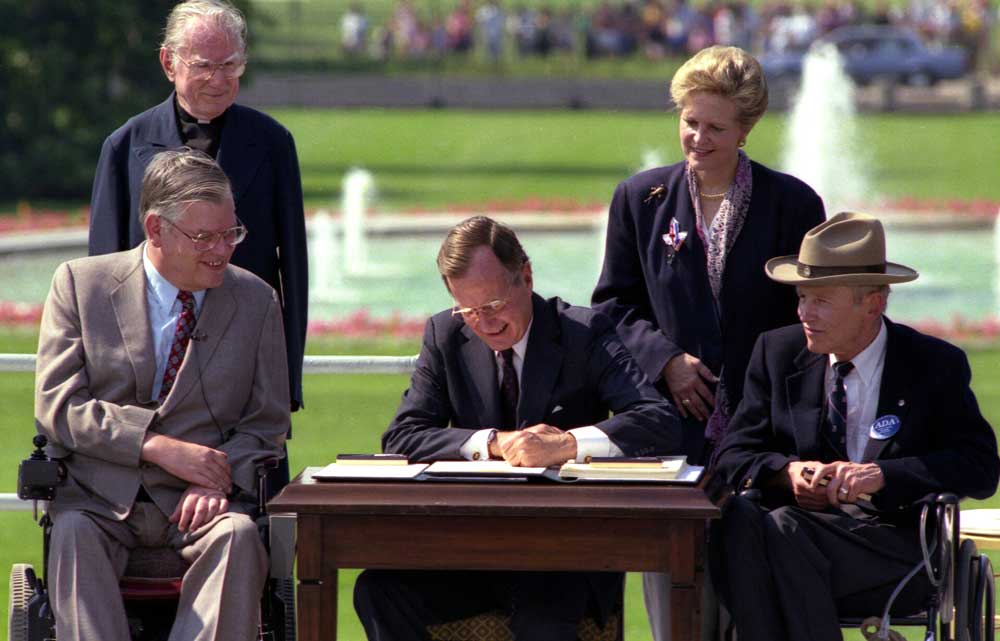
Kafka was part of the wave of national activism that helped drive the Americans with Disabilities Act toward passage. His leadership within ADAPT was central to that effort. He helped coordinate national pressure, strengthened local chapters, and ensured that ADAPT’s direct-action campaigns kept disability rights in front of lawmakers who were slow to act. While the Capitol Crawl, where disabled activists left their wheelchairs and crawled up the steps of the U.S. Capitol to demand passage of the ADA, is often remembered as a defining moment, Kafka’s contributions extended far beyond a single action. His organizing helped turn ADAPT into a national network capable of sustaining pressure in Washington, and his work helped ensure that the ADA became not just a bill, but a civil rights milestone.
Civil Disobedience as a Necessary Tool
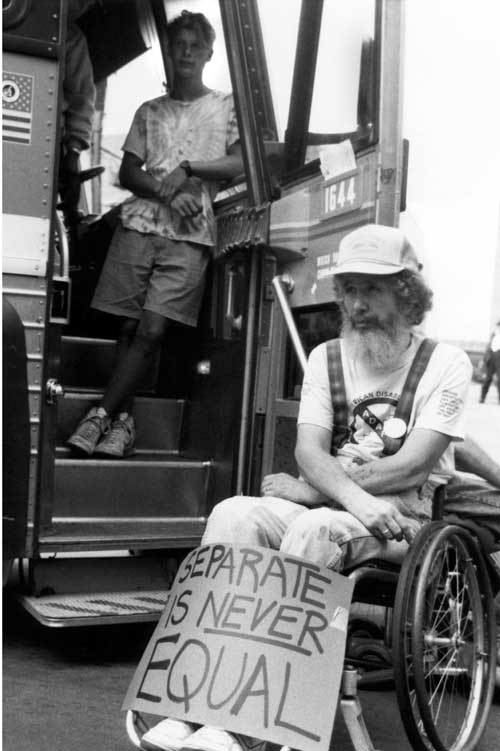
Kafka never shied away from confrontation when justice required it and ADAPT was the vehicle through which he carried out much of that work. He was arrested many times for nonviolent civil disobedience—blocking buses that refused to install lifts, occupying government buildings that ignored accessibility, and staging sit-ins to demand community-based services. These actions were not spontaneous; they were strategic efforts that reflected ADAPT’s organizing style and Kafka’s belief that direct action was essential to forcing institutions to recognize disabled people’s right to participate fully in public life.
Products & Services


Championing Medicare, Medicaid, and Community Living
Kafka’s policy work was as influential as his street-level activism. He fought for stronger Medicaid and Medicare protections, especially for home-based and community-based services that allow disabled people to live outside institutions. He understood the systems, the regulations, and the political levers, and he used that knowledge to push for reforms that expanded independence and dignity for millions.
REV UP and the Power of the Disability Vote
One of Kafka’s most lasting contributions is the REV UP campaign—Register, Educate, Vote, Use Your Power. He helped launch REV UP Texas and played a key role in building the national network that followed. Kafka believed that political participation was essential to long-term change, and he worked to ensure disabled voters were informed, organized, and visible. Today, REV UP chapters across the country continue that mission, strengthening the political power of disabled Americans.
Products & Services


A Legacy That Lives in Action
Kafka’s influence can be seen in accessible buses, curb cuts, community-based services, and the growing political engagement of disabled voters. His legacy is also carried by the countless advocates he trained, encouraged, and pushed to lead. His message was consistent: disabled people deserve real power—and they have the right to use it.

Kafka played a key role in planning ADAPT’s major actions—blocking inaccessible buses, occupying government offices, and staging sit-ins that demanded real change. He helped connect local chapters across the country, turning ADAPT into a national network capable of influencing federal policy. His mix of strategy, discipline, and community-building made ADAPT one of the most persistent and effective disability rights organizations in the country.