







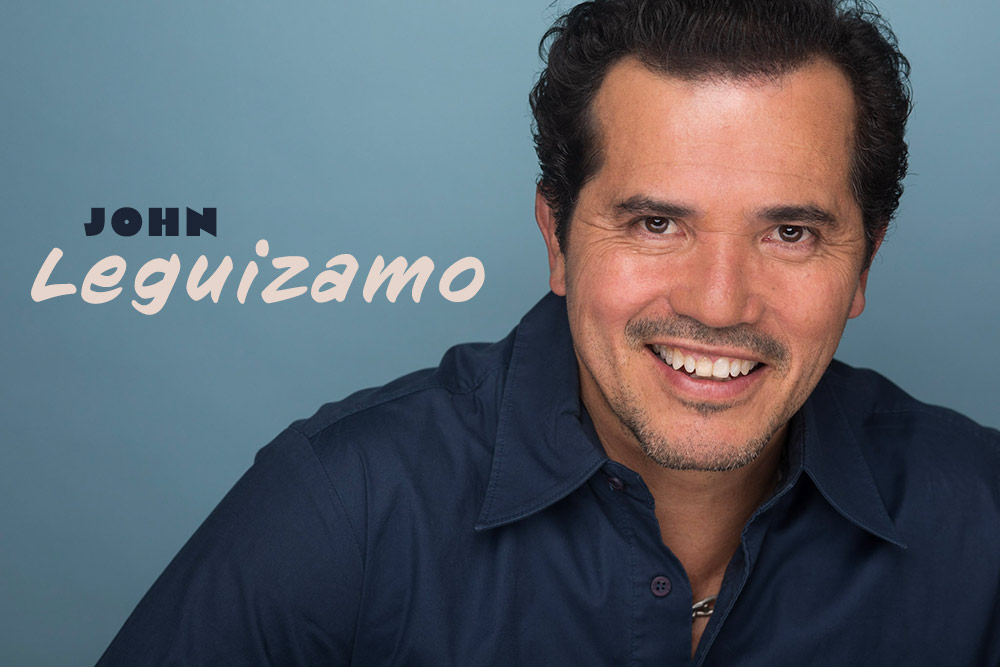
John Leguizamo’s breakthrough one-man shows influenced generations of performers of color to create their own art with authenticity. His characters include “Javier,” a wheelchair user, and his deaf “Uncle Manny,” who were based on real life family members. Leguizamo’s efforts to bring the stories of disenfranchised populations to light is evident in his stage productions by the casting of authentic talent and covering themes of diversity, inclusion, struggles and perseverance. In his latest work, The Other Americans, Leguizamo explores mental illness and how it’s processed in the Latino family at the center of the play–highlighting an underrepresented demographic.
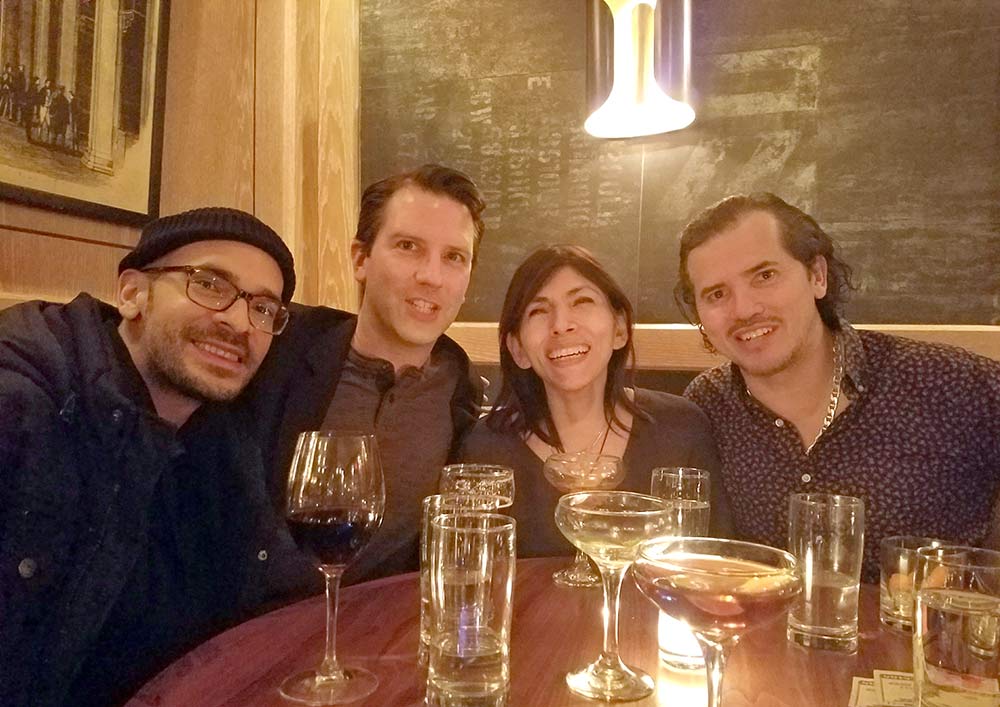
ABILITY Magazine’s Chet Cooper, and Leguizamo’s childhood friend, Gina Velasquez, joined him to discuss the power of authentic representation in Hollywood, the communal impact of storytelling, and what it means to be an ally.
Products & Services


Gina Velasquez: Hello, John. How are you doing?
John Leguizamo: Hello, Gina. How’s it going over in New York and your side of the world?
Velasquez: A couple of fires, but otherwise we’re fine. I know you have been very, very busy. You’ve been telling me about the many projects that you’ve been a part of. There’s a couple of particular interest that I would like to talk about. A couple of months ago–or maybe just a couple of weeks ago–you mentioned to me that you had just finished a film where one of the female leads was a paraplegic. Can you tell me about that?
Leguizamo: Yeah. It’s Bob Trevino Likes It–which is winning awards all across the world and one of the highest award winning films this year around the country and around the world, and directed by a LGBTQ+ director and writer. The co-lead is a paraplegic woman, Afro-American, and she’s stealing the show. She’s so incredible and amazing. In the past, it would have never happened. My Left Foot was played by the amazing Daniel Day-Lewis, but they would have never hired a real paraplegic. When I think of hiring, it was always like, “Oh, an actor can do everything.” Yeah, that’s great, but it was always only white, abled male actors that got every role and every chance to play everything. While Latinos, we had to endure brown face and being replaced. Obviously, LGBTQ+ also didn’t get to play LGBTQ+, and disabled didn’t get to play disabled. Al Pacino playing a sight impaired, you know what I mean? It was just the standard practice.
Velasquez: That’s right. What was it? Scent of a Woman?
Leguizamo: Scent of a Woman, yeah, and many, many, many times. They win Oscars for playing disabled characters. That was the other ticket. That if you played disabled roles, you would win a guaranteed Oscar because “what great acting,” but they would never think of using a real disabled person or a real LGBTQ+ person or a real Latino. As we witnessed in Argo with Ben Affleck taking a Mexican FBI, incredible Latin story and just dyeing his hair black and growing a mustache and painting it black. It’s still going on, but I always tried to include LGBTQ+ in my stories. I try to include the disabled whenever I can. I did in Spic-O-Rama.
Cooper: I had no idea that you did authentic casting. That’s really great to hear.
Leguizamo: Yes. I’m writing this musical about transgender women, and we will have real transgender women.
Velasquez: What’s the name of that musical?
Leguizamo: SHESUS
Products & Services

Velasquez: One of the characters in Spic-O-Rama, was paraplegic right? Javier, I think?
Leguizamo: Yes.
Velasquez: Oh, my gosh. That was in the ’90s. How did I forget all this?
Leguizamo: I’m very sensible to that because of my brother in so many ways. He had osteomyelitis, and then he had spondylitis. In effect, he wanted to be pre-med, and then he couldn’t because of his disability.
Velasquez: That’s right. That’s true. So, this female paraplegic character in Bob Trevino Likes It, what role does she play? What is the film about?
Leguizamo: The film is the true story of the director who had a very terrible relationship with her father. She left home at a young age, but then later on in her 30s, she wanted to reconnect with her dad. She found his name on Facebook and started talking to who she thought was her father, but it ended up being that he wasn’t her father. There was somebody who had the same name, but then they met for breakfast, and then they started having a great relationship, better than she had with her father.
Velasquez: So, this lady that we’ve been alluding to, what does she play?
Leguizamo: She plays the roommate and employer of the young girl playing the director.
Velasquez: And is this based on a real person?
Leguizamo: I’m not sure about that. The director herself was disabled because she was in a terrible car crash.
Velasquez: Oh, wow. That’s great. And it’s winning a lot of awards.
Leguizamo: Yeah, all over the place. It’s insane. The girl’s name is Lauren Spencer. She’s amazing. Lolo, we call her.
Cooper: We know Lolo.
Leguizamo: No way, that’s incredible.
Cooper: Oh, yeah. We actually gave her a cover position because we loved her work so much. That was a few years ago.
Leguizamo: Her work is incredible, man. She’s such a beautiful actress. Back in the days, they wouldn’t have given her a role. The excuses would have been, “It’s too difficult. How are you going to get her out of the trailers?” They would have came up with a million excuses. They still do, I’m sure. I mean, Gina’s brought it even more to my attention how difficult it is for disabled people to get employment and how little corporations do reach out. It’s incredible. I mean, Gina and I called a lot of theaters, and it was difficult for them to wrap their minds around–and publishers–wrapping their minds around using a sight impaired person to work in their theaters. I’m so glad they’re making a musical of Crip Camp. I don’t know if you ever saw that.
Velasquez: Yes.
Leguizamo: I mean, that documentary should have won over My Octopus Teacher, I’m sorry. My Octopus Teacher’s story was very sad, but these were heroes to change the world, and not to win the Oscars is insane to me. Imagine–to have them come up and receive an Oscar would have been historic and powerful and so inspiring to so many.
Velasquez: What’s the name of the director of the Crip Camp musical? Wasn’t he the same guy who directed Kiss My Aztec? Tony Taccone?
Leguizamo: Yes.
Velasquez: So, is he bringing it to Broadway?
Leguizamo: Yeah, they’re in development. It takes decades to get a musical to Broadway.
Velasquez: And so that will be authentic representation.
Leguizamo: I’m blanking on the name of How to Dance in Ohio, but the full cast was on the spectrum, which is another place that people who are on the spectrum never, rarely ever get to play themselves. Then you have Dustin Hoffman in Rain Man or many, many other versions.
Products & Services


Velasquez: But that, hopefully, is changing. I also wanted to touch on a theme in your current play, The Other Americans. You touch on the topic of mental health, especially for the Latino community. I think it’s an important subject that should be discussed more.
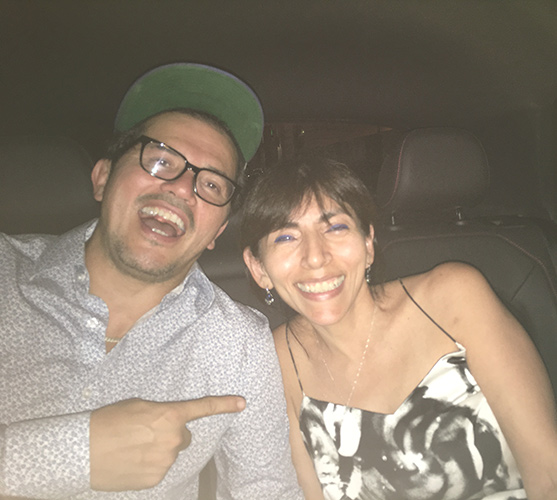
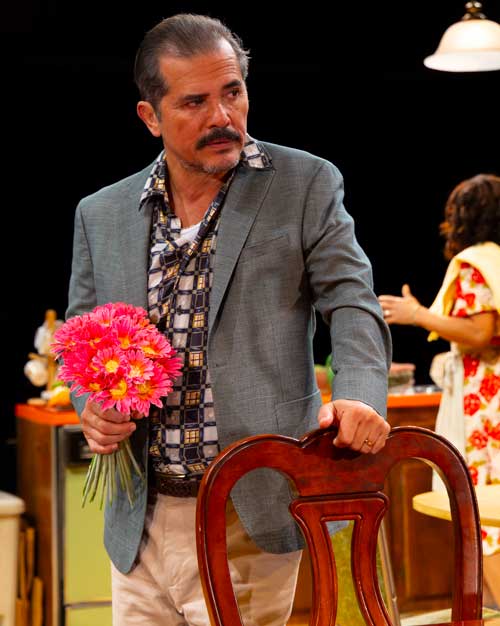
Leguizamo: Oh, yeah. The Other Americans. I’m here in DC at the Arena stage, and my play is about mental health, especially in the Latin community. I’ve had a lot of veterans come in, especially women veterans who have PTSD–Latinas mostly, one of them was white–I thought that play would be triggering, but they felt it was healing to see their plight on stage and to see themselves represented. Then the second-highest-ranking Latino admiral in the Navy said this show is so important because it highlights what happens at home and what happens in the military and in the Navy, that people speak up and they say they’re having issues or problems, and everybody says, “toughen up, suck it up.” He talks to about 400 sets of parents a year who have dealt with suicide. I was insecure, I was thinking, “Oh, my God, this show is triggering,” but it’s not. It’s having the opposite effect. Many parents have come to me and said, I have a child who suffers from depression, so it was so great to see the show. They feel seen, they feel heard, they don’t feel as alone, I guess.
Velasquez: When we went to see it a couple of weeks ago, it was tough. I knew the play pretty well, but I could hear in the audience how they were reacting. It’s very powerful.
Cooper: How did you come up with the storyline?
Leguizamo: It’s based on an incident that happened in the ’90s that shocked me that this was going on, that hate crimes against Latinos were happening in New York City, where we’re almost equal to the population of Whites–or we are equal in size, not in status, obviously. It was shocking to me. It was a very shocking event that I needed to put on stage.
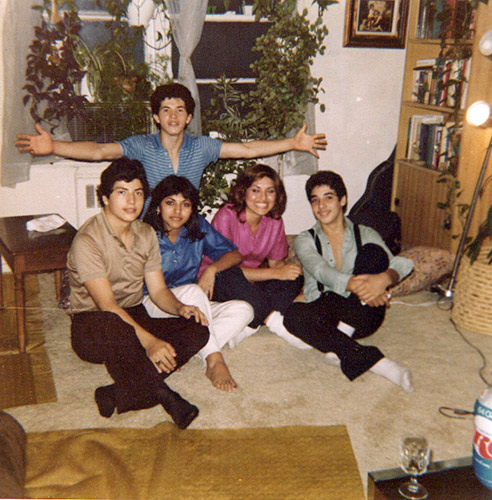
Cooper: You were thinking about this for some period of time?
Leguizamo: For years and years, yeah. It seems like the audiences are responding so viscerally. I mean, gasping, weeping, laughing, snapping. I just think it’s fascinating. I’ve never been in a show where people respond so verbally to what’s going on onstage, like they’re home watching television. I mean, I’m not used to that. One of the viewers said that the responses are because the play likens to Greek tragedies, which was interesting. Subconsciously, in the telling of the story, I hit on some of those archetypical paradigms.
Velasquez: A Greek tragedy about a laundromat owner. It’s very modern day, huh?
Leguizamo: Yeah, modern day Greek tragedy.
Velasquez: It’s a beautiful play. It really is.
Leguizamo: And getting more beautiful as I find little lines and little moments. Now I’m doing microsurgery.
Velasquez: Well, a lot of it is intimate. These family members are discussing very personal things that usually don’t get aired outside of the home, so it’s like taking a peek inside what happens in a home when something like this happens.
Leguizamo: Because there’s so little Latin representation, we never get to see a real Latin family having real conversations. You just never see that. It’s always we’re drug dealers or all these tropes.
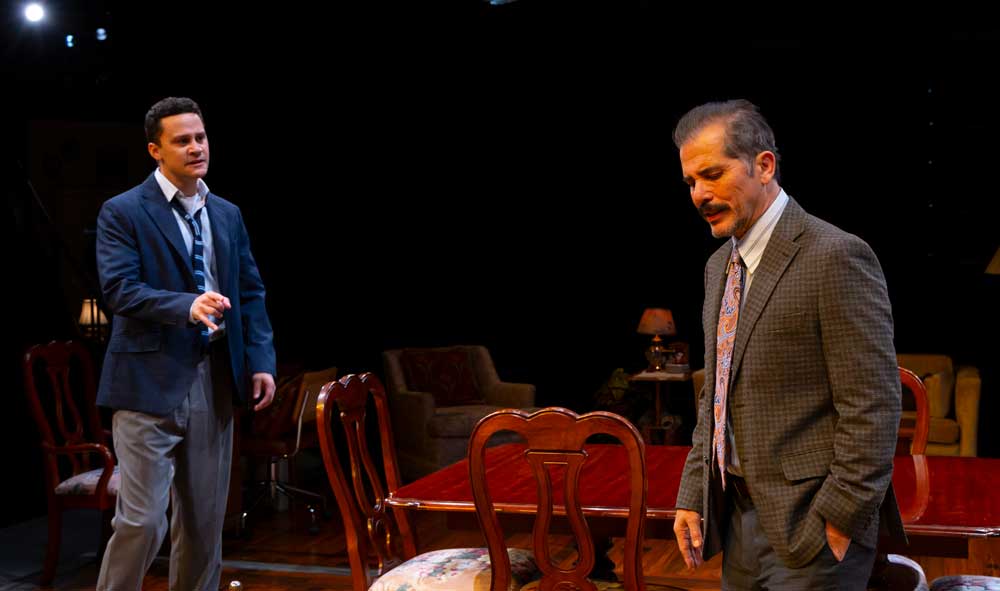
Velasquez: The cast you have, they’re all Hispanic, but just listening to them, I felt like I was at home. It could have been my house or your house and just the way that parents speak and kids with our Spanglish and things like that.
Leguizamo: I know. A lot of people come and say, “That was my father.” I was in shock. And “That was my mother,” and “That was my aunt.” It’s incredible how Latin people feel themselves seen. I mean, obviously, this isn’t representative of all Latin families, but just like Death of a Salesman and Eugene O’Neill’s Long Day’s Journey into Night isn’t representative of all white people. Just to see yourself represented in aspects of our culture scene, it has a powerful effect, but everybody has to continue and take up the fight. Able people have to take up the fight for disabled people to help and be allies. It’s so important that we become allies and support the fight for equality.
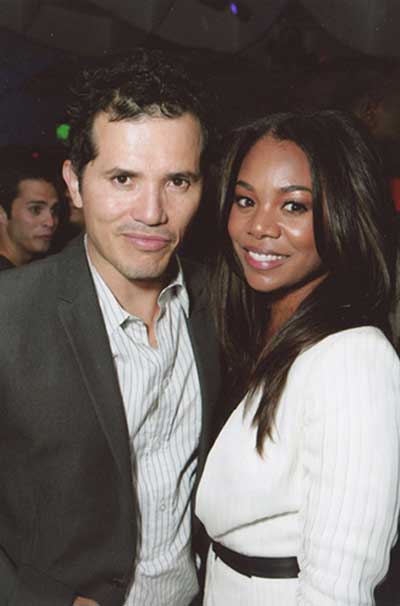
Velasquez: You’ve been so incredibly supportive of me as I lost vision. You have always been one of my greatest champions. I am grateful for your allyship and your just believing in me. I feel that I noticed as I lost more and more vision that I felt like you had a greater sense of understanding of what it is. Because truthfully, I didn’t know what it was like to become disabled. All of this was new to me as well, so with the things that I was going through–which were very frustrating and difficult–I always felt like you went out of your way to understand and to make accommodations for the way I do things. I want to thank you for that.
Leguizamo: It was a pleasure, and it was easy because you’re so incredibly talented and gifted. It wasn’t difficult. It was a joy to talk to and to work with you. It was easy. To be patient with your use of technology wasn’t that difficult. I mean, even able people have such a difficult time with technology. It’s not just a disabled person’s issue. It’s everybody’s issue, especially people who are getting older.
Velasquez: Hey, don’t go there. Yeah. Thank you, though. It’s a pleasure working with you, of course. It’s been an incredible, challenging and rewarding ride. You’ve helped me feel that I can accomplish all these things.
Leguizamo: Oh, I’m so glad because I feel like more able people need to take that cause. Now that you’ve made me so aware of it, because I just didn’t understand the plight of the disabled person and the lack of help from corporations and industries everywhere. I thought the art industry would be much more accommodating, and they’re no different than corporations. I think that battle can be won. We need to figure out how to be more vocal and present and put it forward. Corporations need to make an effort and make room and create programs that can help disabled people in every way get into corporations, get into technology, get into banking, get into the arts, because they have lots to offer.
Products & Services

Cooper: Some of the things you’re talking about, we’ve looked at the problem and created some tools for some meaningful solutions. One of them is abilityEntertainment, which is already the largest database of profiles of actors with disabilities in the world. You go to abilityE, casting can put their breakdowns up and search something like “left-handed amputee, a Hispanic between the ages of 18 and 25.” We’ve worked with some of the biggest studios. It all happened because of Netflix coming to us asking for help. They wanted a young girl that authentically used a wheelchair, and they could only find 10 to audition, and we sent them close to 500.
Leguizamo: Wow. Yeah. Oh, my God. That’s amazing.
Cooper: Yeah. In 1995, we also created the first online job board for people with disabilities, which is called abilityJOBS. Then more recently, and this is how Gina and I met, is through ABILITY Job Fair, which is the first accessible online career fair. We have clients that range from the Fortune 500 to NGOs to government. We have over 127,000 registered jobseekers with disabilities. We’ve been working hard to do something around changing the low numbers of people with disabilities working. Then also just the awareness. That’s what the magazine’s about, is bringing storytelling and awareness around focusing on changing attitudes and the unconscious bias around disability.
Products & Services

Leguizamo: I think it’s a laziness. It’s people–corporations–not wanting to spend the money. Foolish because they’re losing an incredible segment of the population and their incredible abilities and contributions. You’re missing out on the next Stephen Hawking. You’re missing out on the next Stevie Wonder. You’re missing out on so much.
Cooper: Yeah. Missing out on the next Gina.
Velasquez: Yeah. You’re missing out on Gina Velasquez. That’s right. Those theaters don’t know what they’ve lost.

Cooper: For the general public who might not have seen your plays or one person shows yet, can you briefly describe how you got into acting?
Leguizamo: Yeah, well, I was always the comic, the cut up in my home and in my neighborhood, on my block, in the park, and then in school. Then this math teacher, Mr. Zufa, suggested that I do it professionally instead of disrupting the class. He’s passed since now. I was 17, and he put it in my head, and I was like, “Oh, wow.” Back then, we had yellow pages. We didn’t have Google. That’s how old. I went on yellow pages, and I found an acting school, and that was the beginning of my career.
Cooper: On your play, you mentioned a woman. Was that more just for the play–for entertainment?
Leguizamo: No, the woman was the acting teacher that I went to, Sylvia Leigh at Showcase Theater.
Cooper: I really enjoyed your play Ghetto Klown.
Leguizamo: I think I was pioneering, if I pat myself on the back. Nobody was doing stories about themselves and their careers. Now everybody’s doing their own story. It was like everybody was doing Abraham Lincoln or Mark Twain and I started doing the autobiographical piece. Ghetto Klown was more difficult because it’s mid-career and people were like, “Oh, but he didn’t die yet”, there was a lot of put-downs, but now everybody–from Alicia Keys to Billy Joel–everybody’s doing their life story on Broadway now while they’re alive.
Cooper: Yeah, it was really well done. You could tell that you spent a lot of time coming up with how to tell the story in a fun, meaningful way.
Leguizamo: Right. It was very difficult to crack the code on telling your autobiographical story and career in Hollywood. It’s very difficult to tell.
Cooper: Yeah. I thought it also showed your acting capability. It wasn’t just stand-up, It was this mix.
Leguizamo: Yes, it’s my hybrid mix that I created–this blend of acting. It’s a play, basically. Obviously, it’s very humorous because I love comedy and I love physicality and slapstick and mime. I love all that. I combined this hybrid of stand-up, play, and storytelling and mime.
Products & Services


Cooper: Were you ever a dancer?
Leguizamo: No, but I danced a lot. It’s in our culture. We dance at home all the time at every party, and then dance at clubs, We dance at school. We dance everywhere.
Velasquez: We dance on the streets.
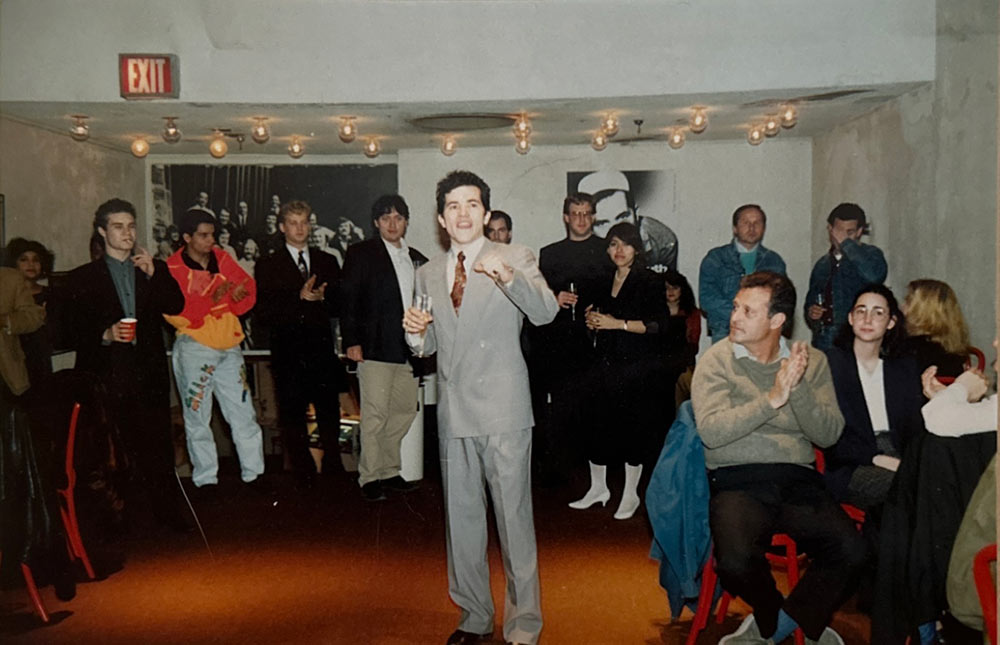
Leguizamo: We dance everywhere.
Cooper: You had moves, so that’s why I was wondering.
Leguizamo: I dance with it. I love it. I went to all the dance clubs. I spent all my time in the dance club. So, you pick it up and you also experiment at these clubs. That’s why they were such a creative and beautiful experience to me. It was such a beautiful place to be artful.
Velasquez: Those are great times. We went to the clubs together. We were teenagers.
Products & Services

Cooper: Tell us about your history between the two of you.
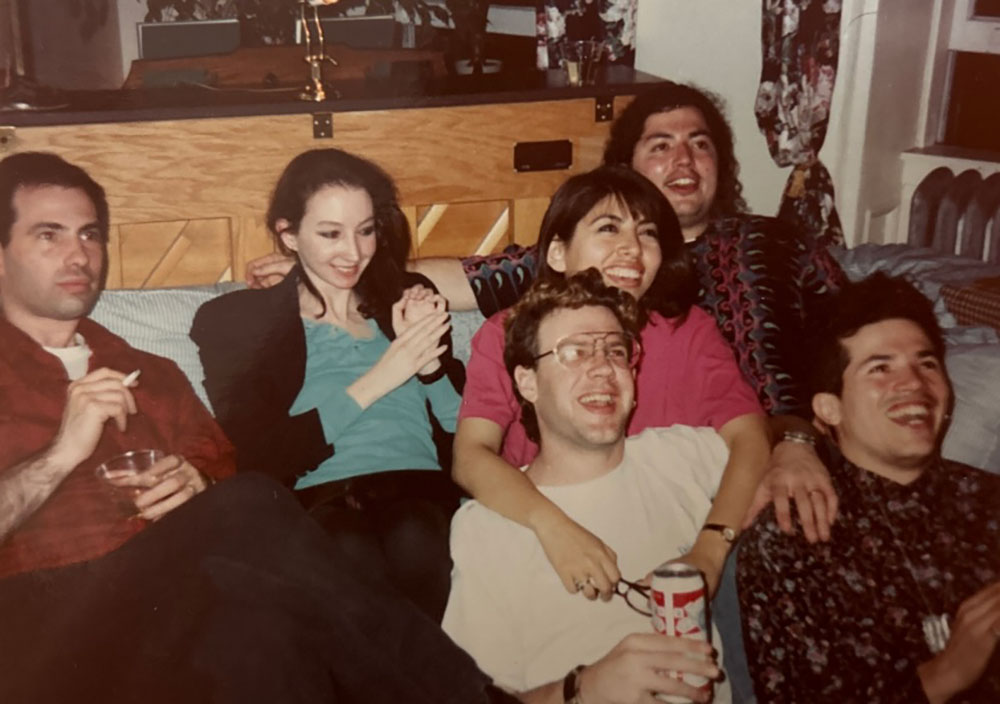
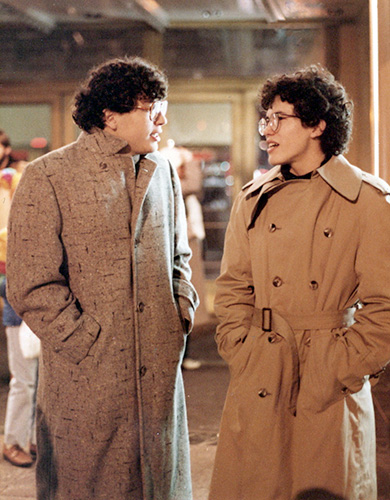
Leguizamo: We grew up in the same neighborhood, but we didn’t know each other. We knew each other when we got to high school, Murry Bergtraum in Manhattan. My brother and her sister became incredibly close because we shared so much history that we didn’t know. We stayed friends since high school, which is a long, long time ago. I actually stayed close friends to a lot of people from high school, but not from college, which is really interesting because mostly people stay close to people from college.

Velasquez: Right.
Cooper: So you watched the transition of Gina losing her sight.
Leguizamo: Yes. She went from this incredible, brilliant, young, gifted Latina who worked at Bantam Books and was just moving up and killing it. Then she had to retire early in her career before she got a chance to make big moves.
Velasquez: Yeah, but I found my way back in through you. I found my way back in, but then the vision loss really started happening a little bit later than that when I was, what, in my 40s? So, it would have been about 20 years ago. Since then, though, like I said, that’s when you and I started being a little bit more collaborative. I lost more vision, but you stayed by me, and I think we’ve done okay.
Leguizamo: Yeah. Gina has been wonderful. She still has an incredible storytelling sense, which is studied, but innate as well. I love consulting with her on my works because she always gives me great, great insights that are so deep and so profound and so literate, and they’re just genius.
Velasquez: Oh, stop. Stop it.

Leguizamo: No, she’s underselling herself.
Velasquez: I paid him $10.
Leguizamo: Now you make me look cheap.
Velasquez: You’ll do anything for a buck.
Cooper: So, to jump back to The Other Americans for a minute, you said you’re actually doing micro tweaking of the play right now?
Leguizamo: Yeah. Mostly microsurgery, changing a word here and there that I never got a chance to because it’s such a big story. Now, certain words that aren’t poetic enough or expressive enough, certain character things that I took out that I was missing, like the wife’s backstory a little bit more, I brought it back in, so little tweaks like that I’m doing. I’m going to try out a new line that came to me in my dreams, that when Nelson is running, when his son is running away, and the son and father have a great confrontation, instead of him saying to his possible business opportunity, “Hey, hold on, I’m having a reception problem.” now he’s going to say, “Forget it! take your deal and shove it up your ass.” And then it’s done. That’s a difference.
Cooper: That’s a major difference.
Leguizamo: Major, major difference. It doesn’t change the course of events, but I’m thinking about the ramifications of that, right?


Cooper: John, it was nice meeting you, and I’m sure we can stay in touch.
Leguizamo: Oh, yeah. I would love to help out as much as I can. I think it’s an important cause. I think what you guys are doing is so powerful, so needed. I know I can get a lot of other people to become allies because there’s so many people that just don’t understand the difficulty. Everybody in America thinks that everything’s already fixed for some reason, like racism is over and handicapped people are doing great. Nobody knows. We just have no clue.