










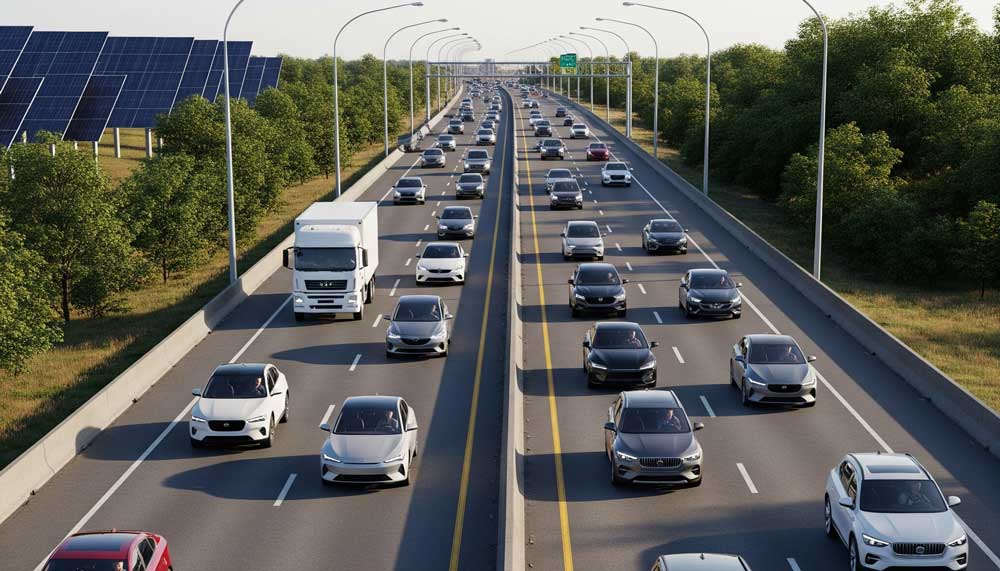
As electric vehicles (EVs) become more mainstream, many drivers are deciding whether now is the right time to make the switch. EVs offer more than a new way to drive. To some, they represent a shift in values, one that’s tied to health and environmental responsibility. To others, EVs represent the demand for innovation and the advancement of cutting-edge technology. Understanding both the benefits and limitations is key to making choices that reflect how we live, where we live, and what kind of future we want to build.
Are EV Owners Happy With Ownership?
Recent surveys indicate yes. In an early 2025 survey of 6,164 EV and Hybrid gas/EV owners, JD Power found that 92% of EV owners are likely or very likely to purchase another EV and 12% are considering returning to combustion (ie. gas) powered engines. Interestingly, owners of mass produced EVs had fewer issues than premium, more expensive EVs. Consumers reported public charging as still a challenge, but owners find public charging availability is improving.
EV Owner Satisfaction Improves but Regulatory, Incentive Uncertainties Create Challenges, J.D. Power Finds
Plug in America, a US nonprofit dedicated to clean energy, found similar results in their 2025 survey of 6,000 respondents, with over 5,300 being EV drivers. 92% were likely to purchase an EV for their next vehicle. Concerns about the scarcity of charging station dropped after ownership with most owners reporting fast charging stations that are 5 miles or less from their home. 2025 2025 Plug in America EV Driver Survey
To Buy or not to Buy?
With growing environmental concerns, uncertain fuel costs, expiring incentives and evolving technology, EVs offer compelling benefits—but they also come with trade-offs.
Pros of Owning an EV
Zero Tailpipe Emissions: Electric vehicles produce no exhaust, helping reduce air pollution and carbon emissions.
Lower Fuel and Maintenance Costs: EVs are cheaper to operate since electricity costs less than gasoline and fewer moving parts mean fewer repairs.
Smooth, Quiet Driving Experience: Most EVs deliver instant torque and a whisper-quiet ride, making driving both responsive and relaxing.
Access to Carpool Lanes: In many states, EV drivers can use HOV (high occupancy vehicle) lanes even when traveling alone, saving time during commutes.
Federal and State Incentives: Tax credits and rebates can significantly lower the cost of buying a new or used electric vehicle. Federal tax incentives are expiring on September 30th.
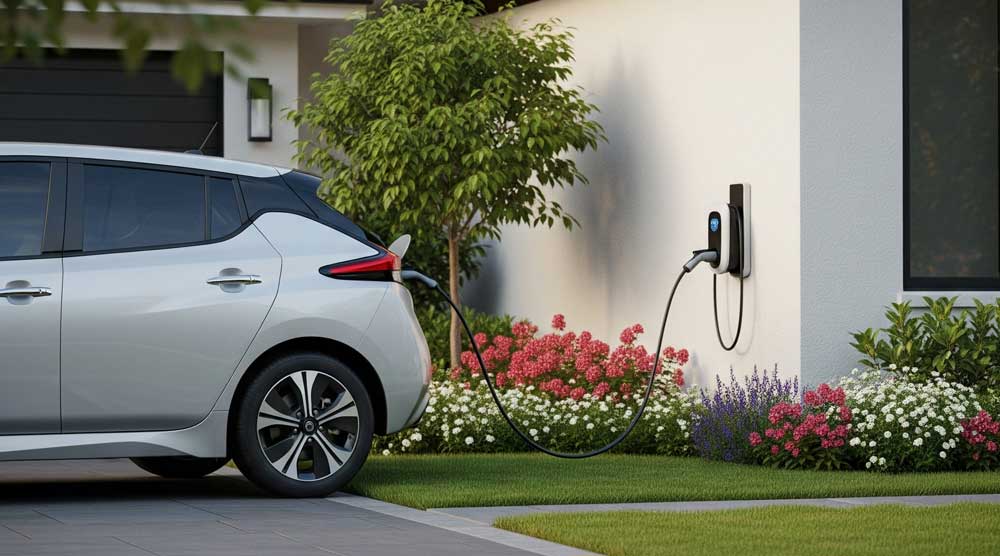
Home Charging Convenience: With a home charging setup, you can refill your battery overnight and avoid frequent stops at the pump.
Innovative Tech Features: EVs often include cutting-edge infotainment systems, autopilot options, cloud/satellite connectivity and over-the-air updates.
Power House: EVs with the required equipment can power household appliances or other life necessities when there are unexpected power outages.
Job Charger: For those who spend their workdays on the go or on a job site, EV’s with the required equipment can keep electronics and battery-operated tools fully charged. Many EVs can be used as Wi-Fi hotspots for laptops and other devices.
Eyes all around: Some EV’s capture the driver’s surroundings in video form and can help with parking, automatic stopping, and lane changes. Some also have cameras inside the car to monitor security and driver attentiveness.
Cons of Owning an EV
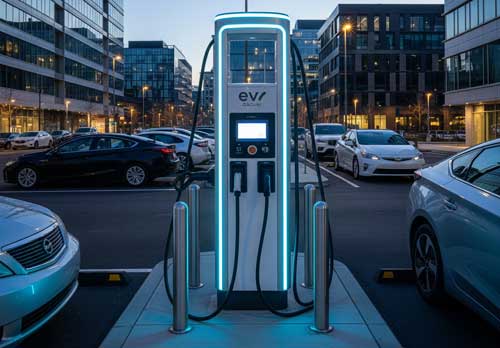
Charging Infrastructure Gaps: Public charging stations aren’t yet as widespread as gas stations, especially in rural or underserved areas.
Higher Upfront Costs: EVs typically have higher sticker prices than comparable gas vehicles, though incentives can help offset this.
Longer Charging Times: Even the fastest charging stations take more time than filling a tank of gas, which can affect long-distance travel.
More Road Trip Planning: Traveling long distances can be challenging and will take more planning with distance and locating EV charging stations along the way.
Battery Degradation Over Time: Over time, all batteries gradually lose charge capacity. Older EVs may show reduced range or slower charging speeds. Batteries can be costly to replace, depending on available warranties.
Reduced Efficiency in Extreme Weather: Cold or hot climates can decrease battery performance and range, requiring more frequent charging.
Limited Towing Capacity: EVs built to tow heavy loads tend to have a lower capacity than their gas-powered counterparts.
Faster Tech Obsolescence: Rapid innovation means newer EV models may quickly outshine older ones, affecting resale value and buyer confidence.
Who Sees Me?: With the number of cameras in EVs—some EVs more than others—many are concerned about privacy, location tracking and the amount of surveillance video recorded both inside and outside the vehicle. Some cameras are integrated with safety systems and can be dangerous to deactivate.
Some US States Charge Additional Registration Fees: To offset gasoline taxes at the pump, many states charge additional annual registration fees. Check InsideEVS.com or check with your state’s department of motor vehicles for fees.
When Deciding to Buy an EV in the U.S.
If you’re considering an EV, here are a few things to keep in mind:
Charging Access: Home charging is ideal. If you live in an apartment or rely on public stations, check local infrastructure before buying.
Driving Habits: Daily commutes under 200 miles are well-suited for most EVs. Long road trips may require planning around charging stops.
Model Options: EVs now come in sedans, SUVs, and trucks. Popular models include the Tesla Model Y, Hyundai Ioniq 5, and Chevrolet Bolt.
Used EVs: These can be a budget-friendly option, but check battery health and range. Some older models have limited mileage and slower charging.
Federal Tax Incentives — Act Before They Expire
Federal tax credits have played a major role in making EVs more affordable, but recent legislation has cut the benefit. For a very limited time, buyers can receive:
Up to $7,500 tax incentive for new EVs
Up to $4,000 tax incentive for used EVs (if priced under $25,000)
These incentives are set to expire on September 30, 2025, following recent legislation. That means:
You must take delivery of your EV by that date to qualify.
After September, no federal tax credits will be available for new or used EVs.
A surge in EV purchases is expected before the deadline, so inventory may limited.
If you’re on the fence, now may be the best time to buy—before incentives disappear and prices potentially rise.
State EV Incentives
Check with your individual state to find out about current incentives. Incentives can range from the ability to drive in HOV lanes at any time to thousands in rebates or tax credits. These incentives can be dependent on limited funding and can be put on hold on short notice. So, it’s important to get current information from your state.
The transition to EVs is reshaping how people move through the world. Cleaner air, quieter neighborhoods, and fewer trips to the gas pump signal progress—but not everyone is included in that journey equally. Renters, rural communities, and individuals living with disabilities may face barriers to access, from charging infrastructure to upfront costs. Mobility enhancements are becoming more readily available for EVs and charging stations are subject to ADA accessibility requirements. Innovation is accelerating, and the road toward sustainability is becoming more inclusive. EVs aren’t perfect, but they’re evolving fast. If you value sustainability, lower operating costs, and a quieter ride—and you can charge conveniently—an EV might be the right move for you.